Fire Prevention Week 2026: Essential Fire Safety Tips for Tenants
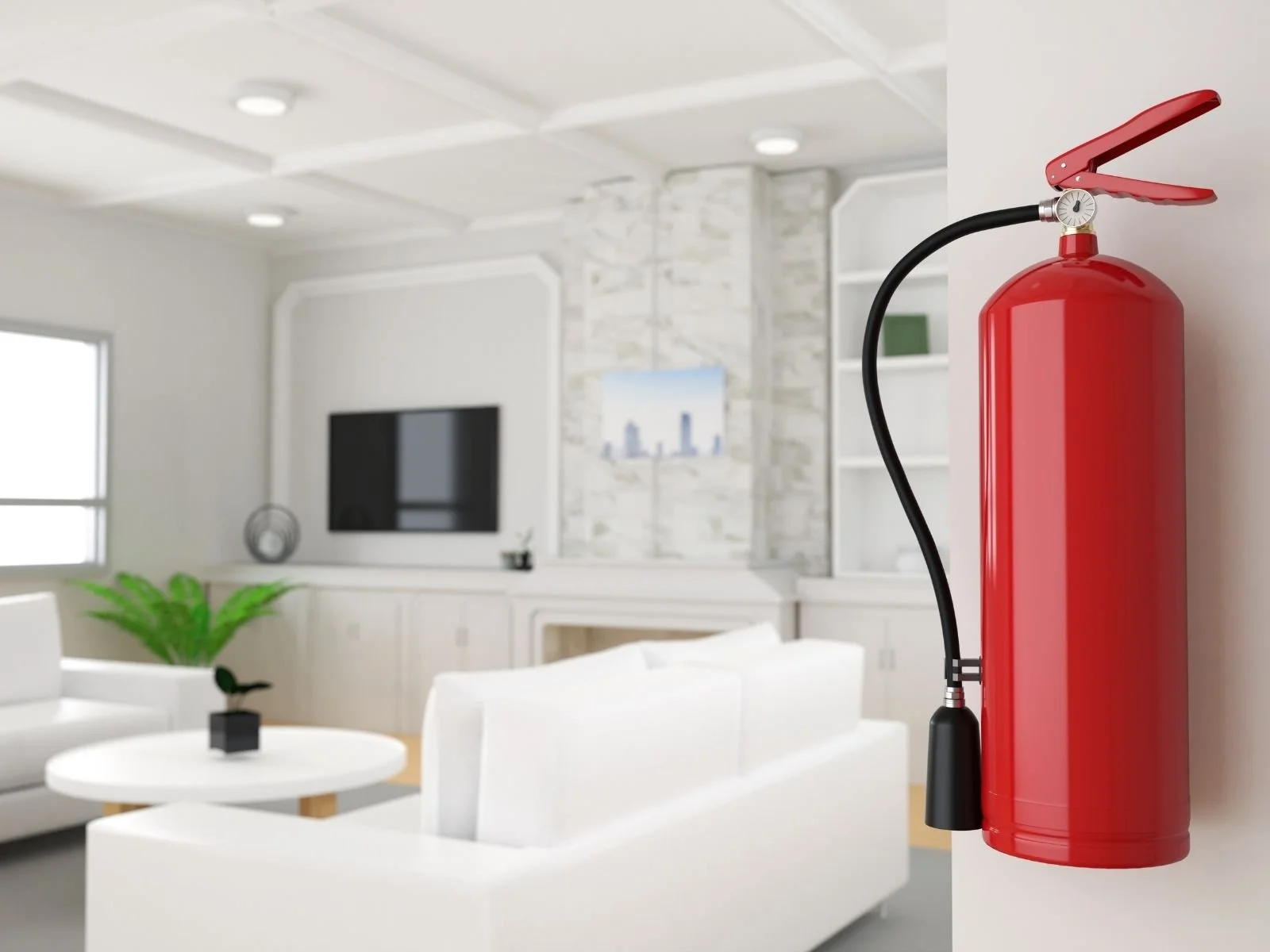
Fire safety at home often comes down to small everyday decisions. Charging a phone, cooking dinner, storing an e-bike, or keeping a hallway clear may not feel like major safety issues, but each can affect how quickly a fire starts or how safely you can respond.
Fire Prevention Week runs from Oct 4, 2026 to Oct 10, 2026. It is a timely reminder for tenants to review simple habits that can help protect their homes, belongings, neighbours, and families.
This year, lithium-ion battery safety deserves special attention. Rechargeable batteries now power many of the devices we use every day, from phones and laptops to power tools, e-bikes, and e-scooters. Most are safe when used correctly, but damaged batteries, incompatible chargers, and unsafe charging practices can create serious fire risks.
Why Lithium-Ion Battery Safety Matters
Lithium-ion batteries are commonly found in:
Smartphones and tablets
Laptops
Wireless headphones
Portable chargers and power banks
Cordless vacuums and power tools
Cameras and rechargeable toys
E-bikes and e-scooters
When a lithium-ion battery is damaged, overheated, modified, or charged incorrectly, it can fail rapidly. In some cases, a process called thermal runaway can cause the battery to heat up uncontrollably, potentially leading to fire or explosion.
The good news is that many battery-related risks can be reduced with a few practical habits.
1. Use the Right Charger
Use the charger and charging equipment supplied with your device whenever possible, or a replacement specifically approved by the manufacturer. A charger that physically fits is not automatically safe or compatible.
Avoid damaged, counterfeit, or uncertified batteries and chargers. When purchasing rechargeable products, look for recognized safety certification marks such as CSA, UL, or ETL.
2. Charge Devices on a Hard, Stable Surface
Avoid charging phones, laptops, power banks, and other rechargeable devices under pillows, on beds, on sofas, or beneath blankets. Soft materials can trap heat and may also be combustible.
Instead, charge devices on a hard, stable surface with good airflow and keep them away from paper, clothing, and other items that can burn. Follow the manufacturer's charging instructions and unplug devices when charging is complete.
3. Take Extra Care With E-Bikes and E-Scooters
E-bikes and e-scooters use much larger batteries than most household electronics, so safe charging and storage are especially important.
Use only the battery and charger intended for the device. Do not modify the battery, combine incompatible components, or use a battery that has been damaged.
Never charge or store an e-bike or e-scooter where it blocks a hallway, doorway, stairwell, or other escape route. Keep exits clear so everyone can leave quickly during an emergency.
4. Know the Warning Signs of a Battery Problem
Stop using and charging a battery or device if you notice:
Unusual or excessive heat
Swelling or a change in shape
Leaking
A strange smell
Changes in colour
Hissing or popping sounds
Smoke
Do not ignore a swollen phone, damaged power bank, or unusually hot battery. If a lithium-ion battery begins smoking or catches fire, move away from the area, get outside if necessary, and call 911.
5. Dispose of Batteries Properly
Lithium-ion batteries should not be placed in the city's blue, black, or green carts. Even a battery that appears dead can retain enough energy to create a fire hazard during collection, transportation, or processing.
Take unwanted or end-of-life rechargeable batteries to an appropriate battery recycling or household hazardous waste location instead.
Read also: Fall Maintenance Checklist for Alberta Rental Properties: Get Ready for Winter
6. Do Not Disable Smoke Alarms
Lithium-ion battery safety is important, but the basics of home fire prevention still matter.
Never cover, remove, or disable a smoke alarm. If an alarm appears damaged, is missing, or is not working properly, contact your property manager promptly.
If an alarm sounds repeatedly and you are unsure why, do not simply disconnect it. Report the issue so it can be checked properly.
7. Keep Cooking Areas Safe
Cooking is one of the most common activities that can lead to a home fire, so staying attentive in the kitchen is essential.
Stay nearby while food is cooking, especially when frying, grilling, or using high heat. Keep dish towels, packaging, paper products, and other combustible materials away from hot surfaces.
If you need to leave the kitchen for an extended period, turn the appliance off first.
8. Keep Exits Clear
Think about how you would leave your rental home if you had to get outside immediately.
Keep hallways, doorways, stairs, and other exit routes clear of bicycles, boxes, furniture, and stored belongings. This is particularly important for e-bikes and e-scooters.
Everyone in the home should know the quickest route outside and an alternative route if the main exit cannot be used.
9. Have a Simple Home Escape Plan
A fire emergency can become confusing very quickly. A simple plan can make it easier to react.
Everyone in your household should know:
The quickest ways out of the home
An alternative exit if the main route is blocked
Where to meet outside
To stay outside after evacuating
To call 911 once safely away from danger
Do not go back into a burning building for belongings. Once you are outside, remain outside and follow instructions from emergency responders.
A 5-Minute Fire Safety Check for Your Rental Home
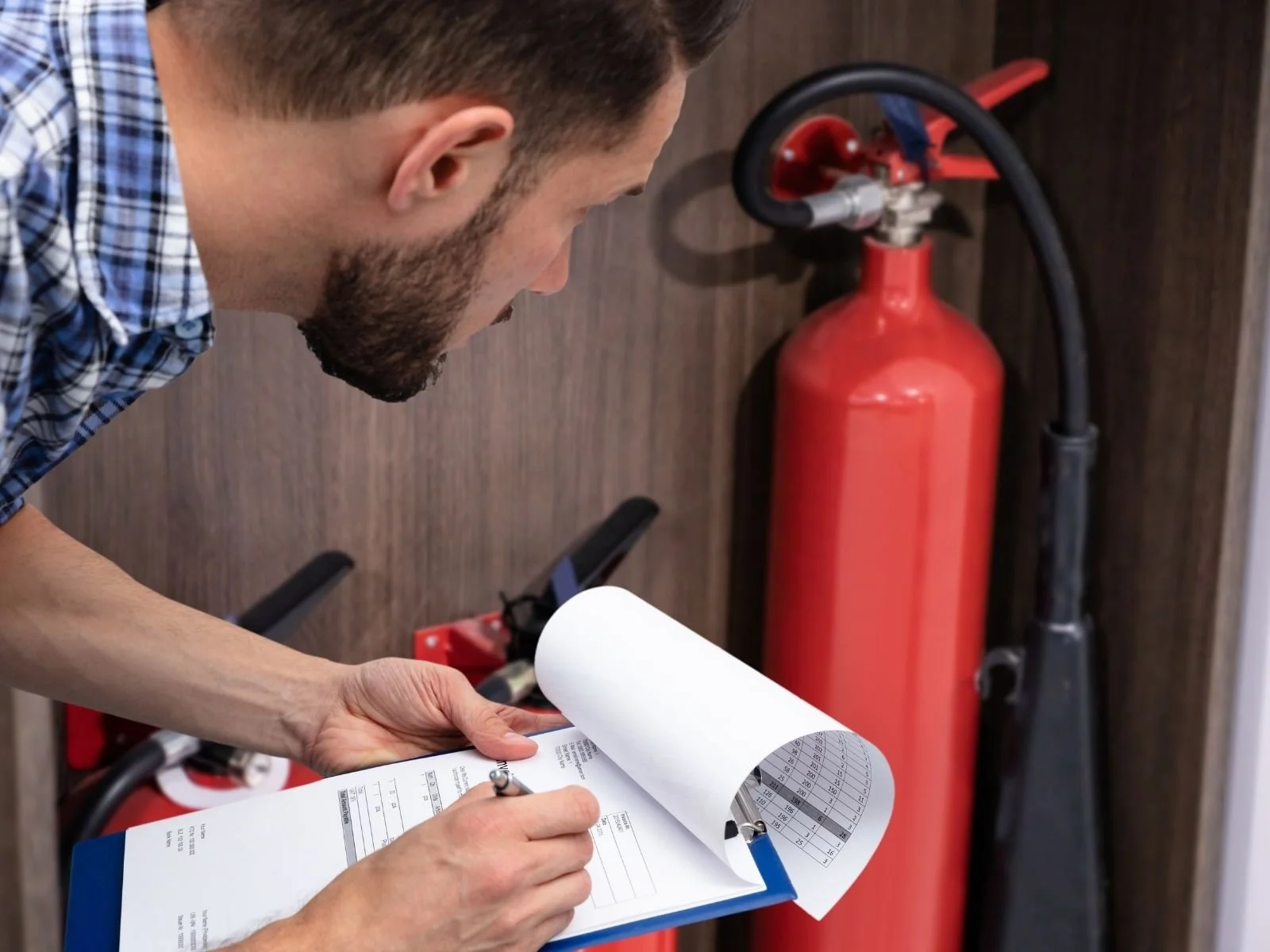
Fire Prevention Week is a good opportunity to take five minutes and look around your home. Ask yourself:
Are my smoke alarms unobstructed and working properly?
Are hallways and exits clear?
Am I using the correct chargers for my devices?
Do I charge rechargeable devices on hard, stable surfaces?
Are any batteries swollen, damaged, leaking, or overheating?
Are e-bikes or e-scooters stored and charged away from exit routes?
Do I know where to take old rechargeable batteries for proper recycling?
Does everyone in my household know how to get outside during an emergency?
If you answered no to any of these questions, now is a good time to address it.
Fire Prevention Is a Shared Responsibility
A safer rental home depends on everyone doing their part. Property managers are responsible for maintaining building systems and addressing reported property concerns, while tenants also play an important role through everyday habits, responsible use of household equipment, and timely reporting.
Lithium-ion batteries are a good example of how home fire safety continues to evolve as technology changes. The goal is not to avoid rechargeable devices, but to use, charge, store, and dispose of them safely.
This Fire Prevention Week, take a few minutes to check your charging habits, smoke alarms, cooking areas, and escape routes. Small preventative actions can make a meaningful difference.
Have a Safety or Maintenance Concern in Your Rental?
If you are a Power Properties® tenant and notice a maintenance or safety concern in your rental property, please report it through the appropriate Power Properties maintenance channel so our team can review it.
Taking care of concerns early helps us work together to maintain safer, comfortable rental homes for everyone.
Ready to maximize your rental income?
Power Properties® is an Alberta-based property management company operating in Calgary, Edmonton, Lethbridge and Medicine Hat. Dedicated to helping landlords get the most from their investment properties. Learn more at powerproperties.net.
About Power Properties Ltd.
Founded in 1980, Power Properties has been providing hassle-free property management services to property owners, property investors and non-residents with homes in Calgary, Edmonton, Lethbridge and Medicine Hat for over 45 years. Our full-service property management includes everything from move in to move out, so you don’t have to worry about the day-to-day operations of your rental property. With a team of licensed professionals, years of experience, and award-winning service, you can rest assured that your property is in good hands.